Blog
Field notes on API automation, LLM testing and quality engineering. Written from real projects, not theory.
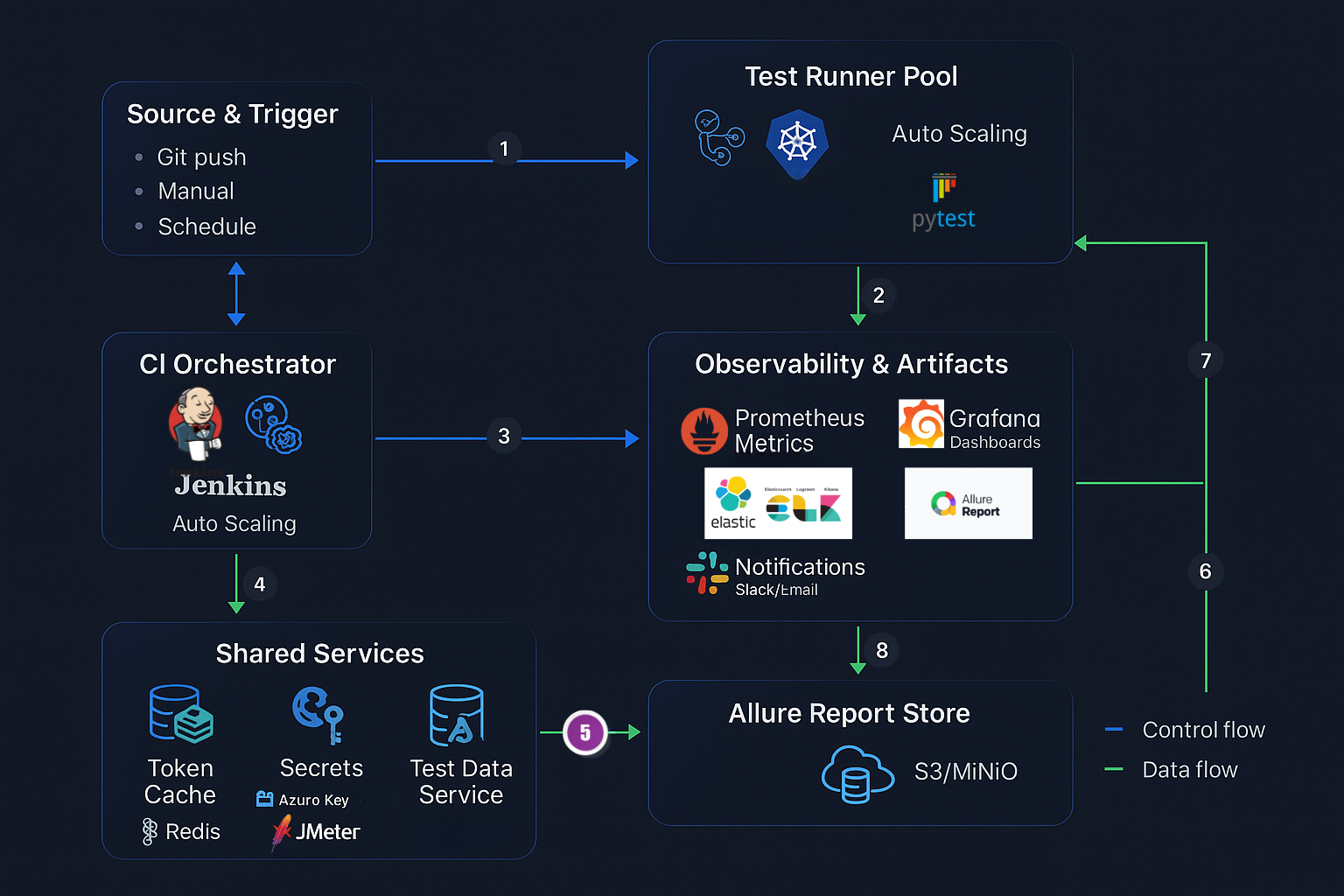
QA System Design: Building Scalable Test Frameworks for QA Architects
How QA Architects can apply system design principles — scalability, fault tolerance, caching, observability, and security — to build resilient test frameworks.
Read →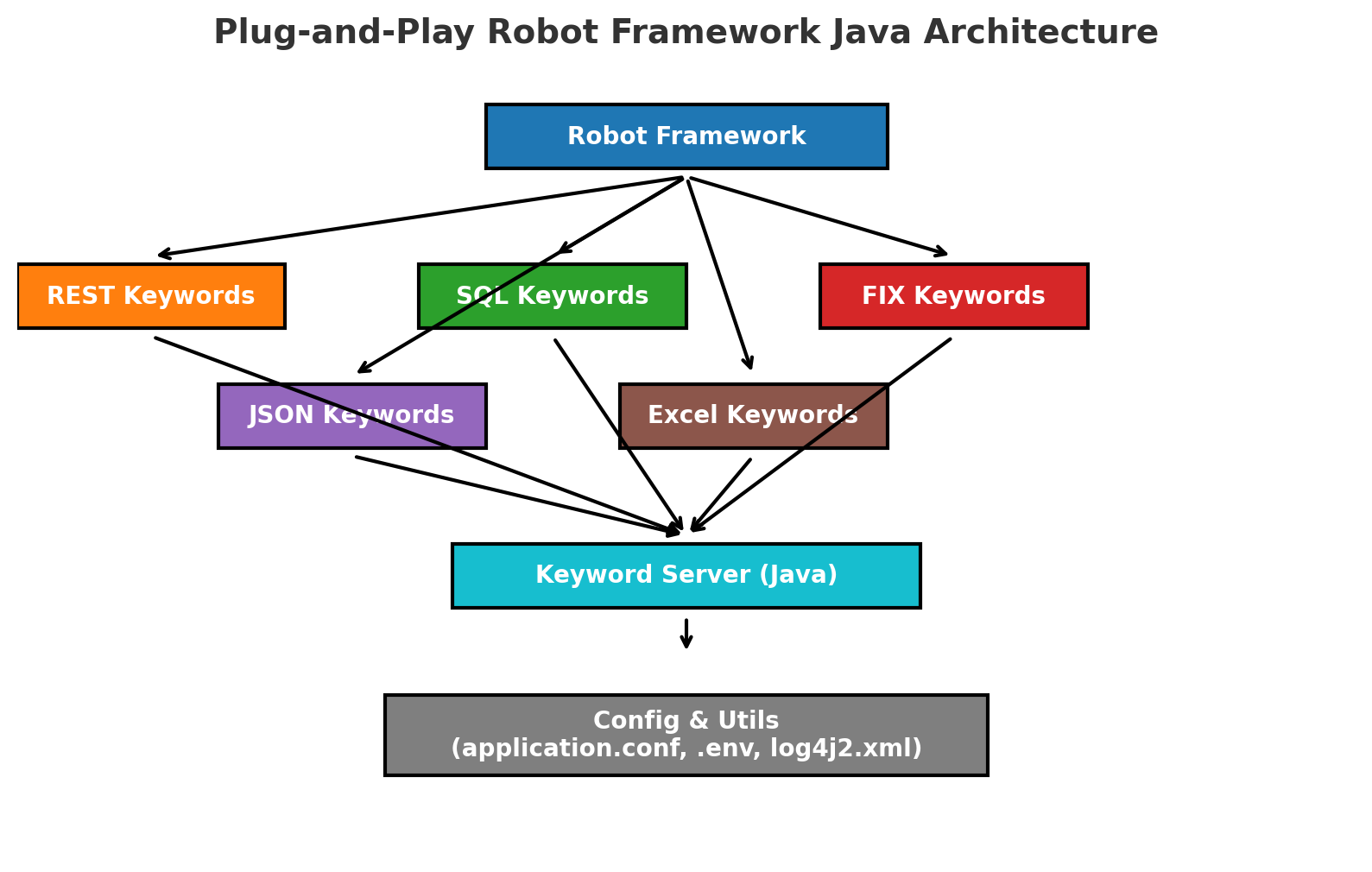
Building a Plug-and-Play Robot Framework: Lego Style
A Robot Framework architecture where a remote keyword server is the foundation and test domains (API, JSON, SQL, Excel, FIX) snap in as plug-in modules.
Read →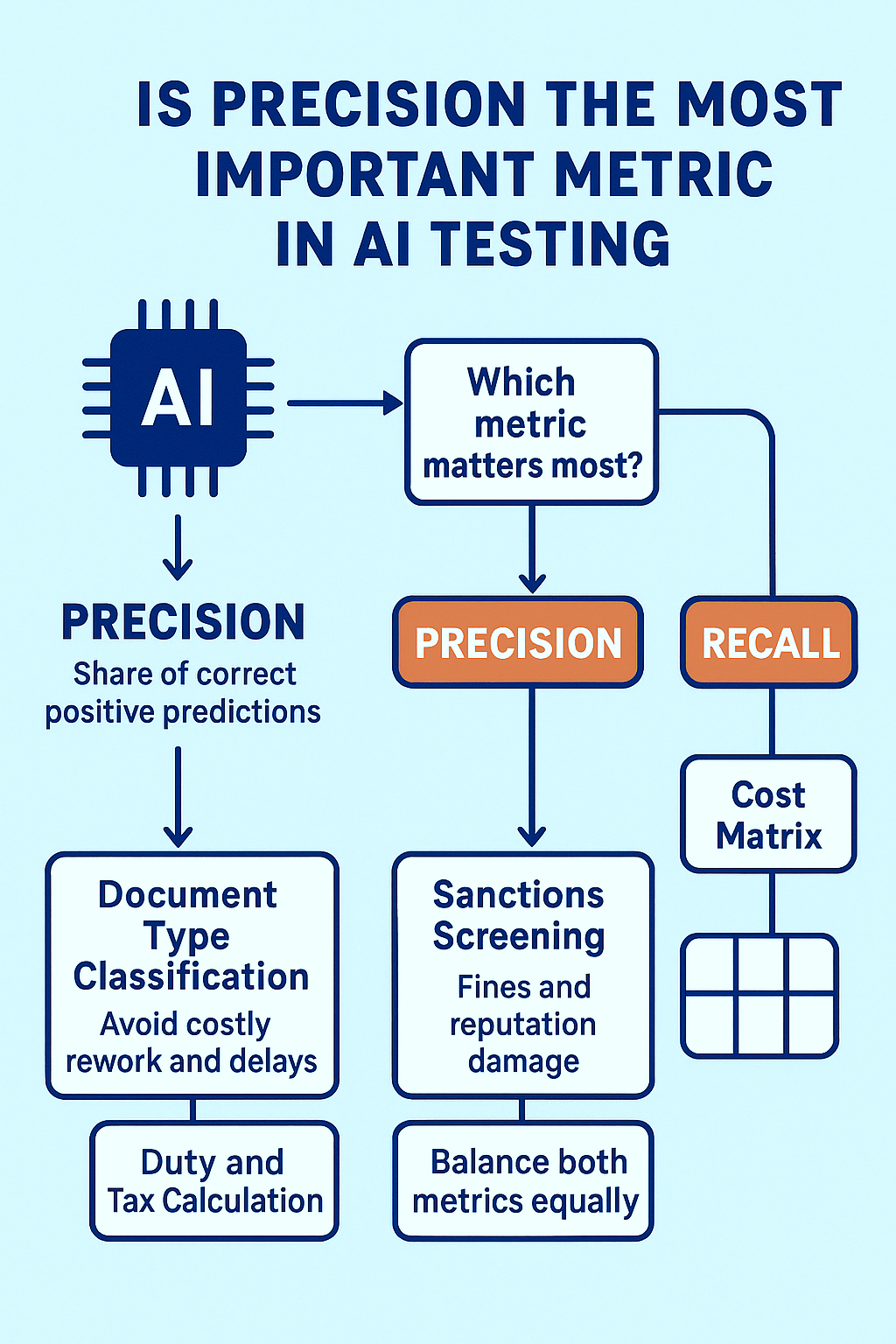
Is Precision the Most Important Metric in AI Testing
Why precision alone never tells the whole story in AI testing, especially in trade finance, and how to weigh precision, recall and F1 against real costs.
Read →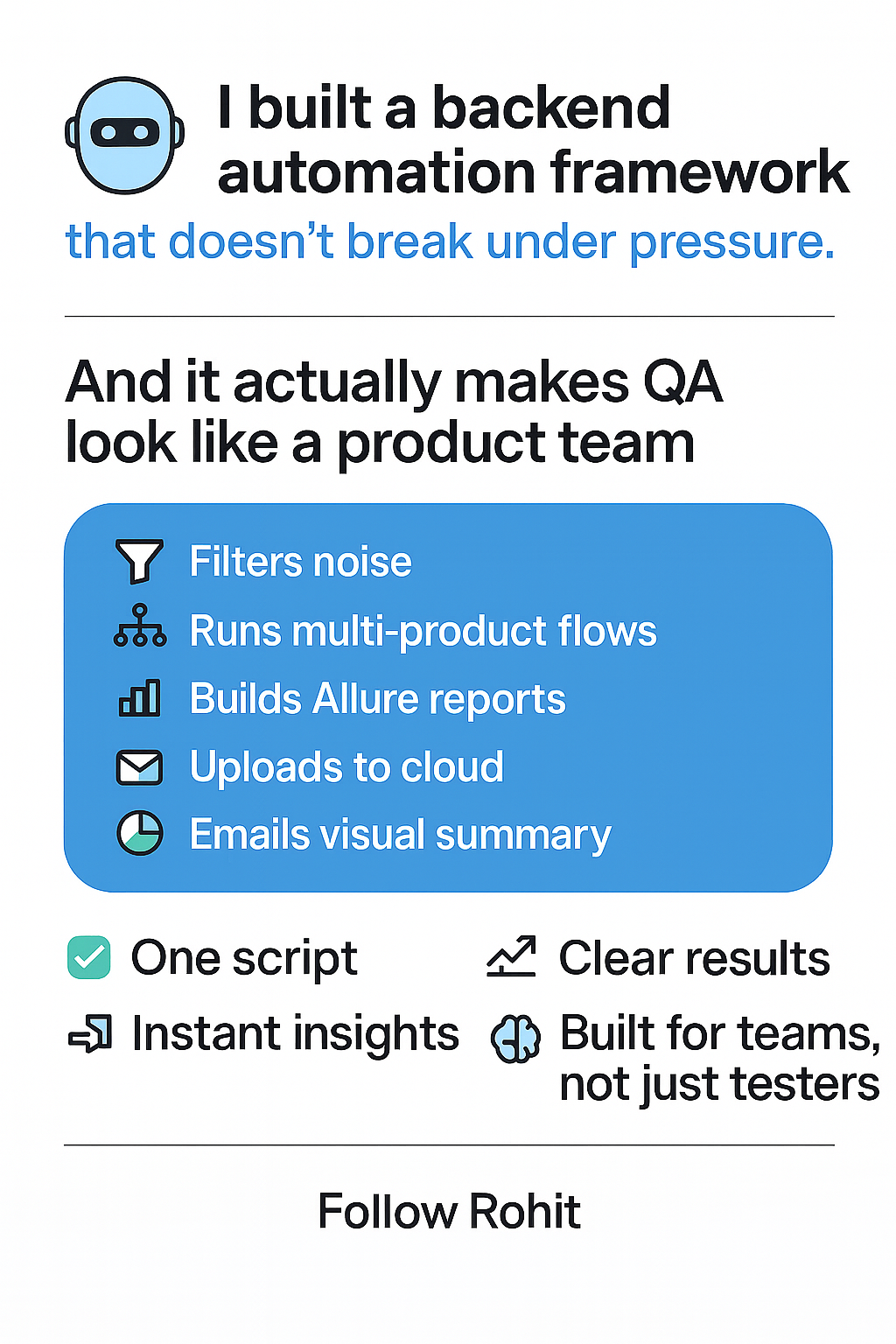
I built a backend automation framework
A backend automation framework that makes QA look like a product team: clean Allure reports, cloud storage, summary emails with charts, all from one script.
Read →
Streamline Your Quality Assurance Testing Process
Key QA testing methods and practical strategies — automation, collaboration, continuous testing and metrics — to make your testing process more efficient and effective.
Read →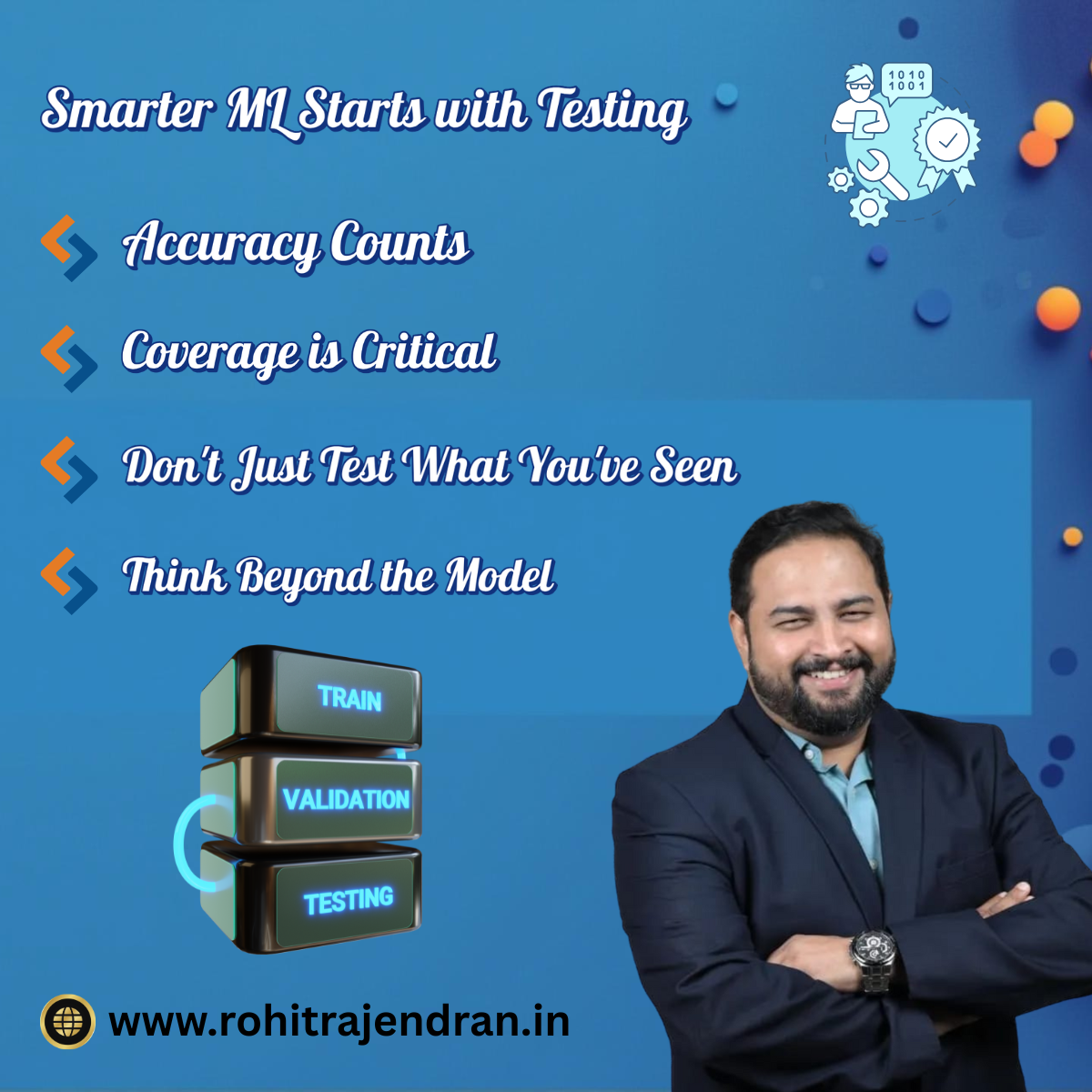
Machine Learning models can predict, but only testing guarantees trust.
Key testing strategies for ML models in high-stakes domains like trade finance — accuracy, generalization, integration and framework selection for production-ready performance.
Read →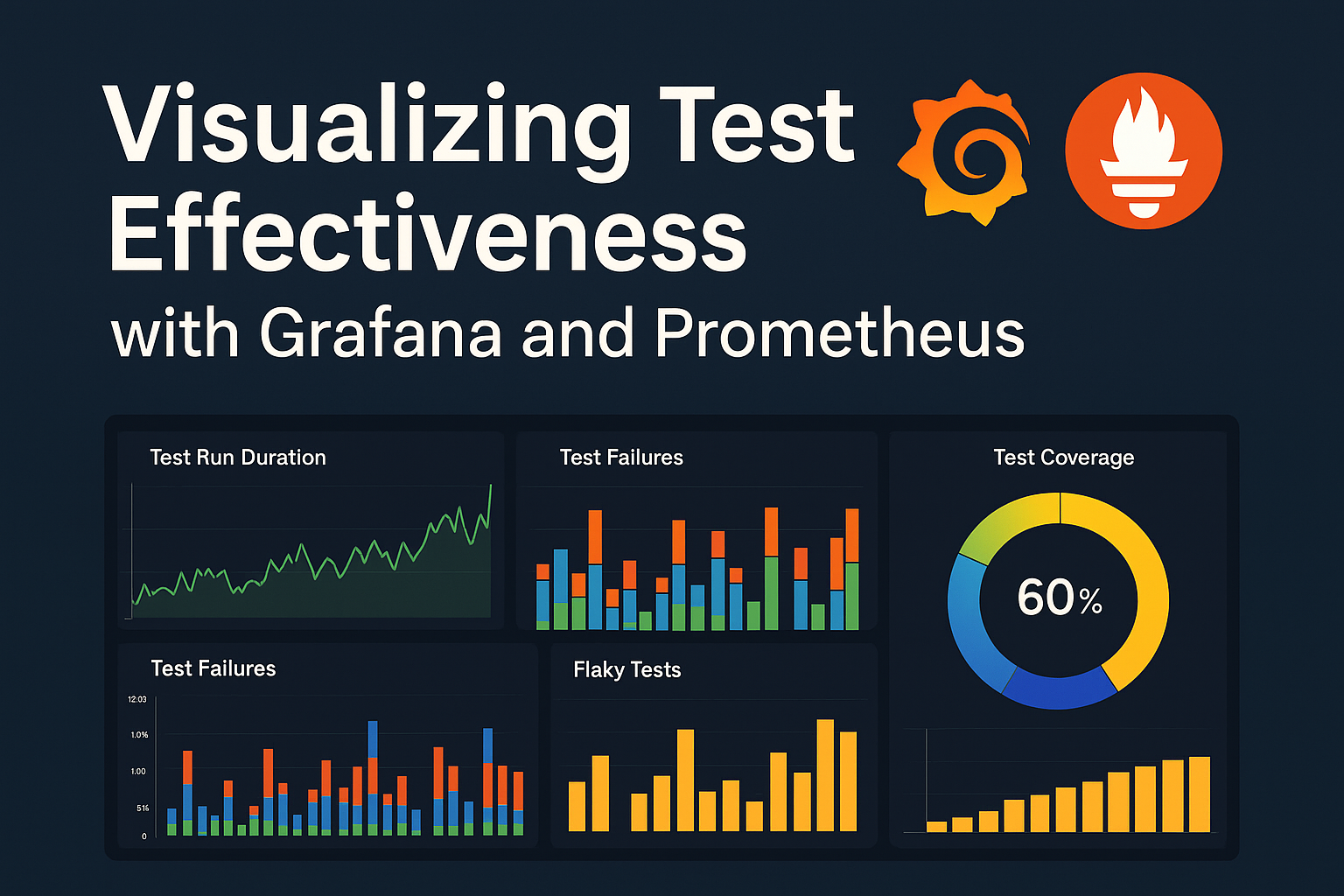
Visualizing Test Effectiveness with Grafana and Prometheus
How Prometheus and Grafana turned thousands of test runs into clear dashboards that replaced gut feelings with data-driven quality decisions.
Read →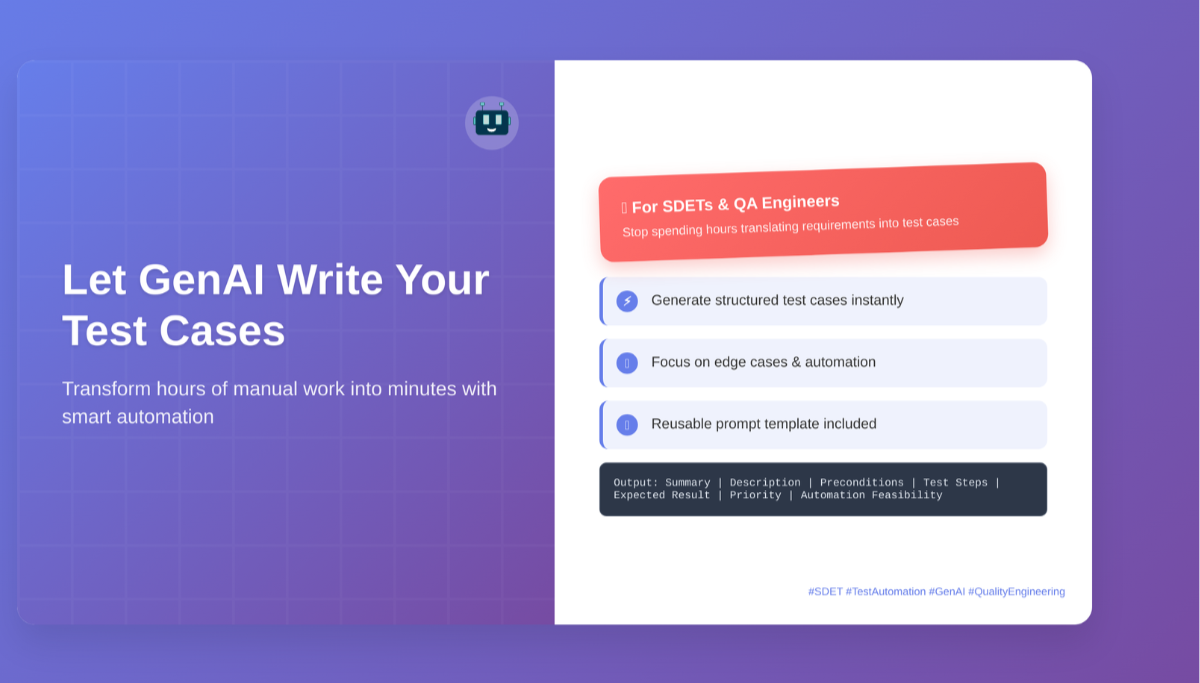
Let Generative AI Help You Write Test Cases, The Right Way
A generalized, reusable prompt for SDETs to generate detailed, structured, automation-ready test cases with tools like Claude, ChatGPT or Gemini.
Read →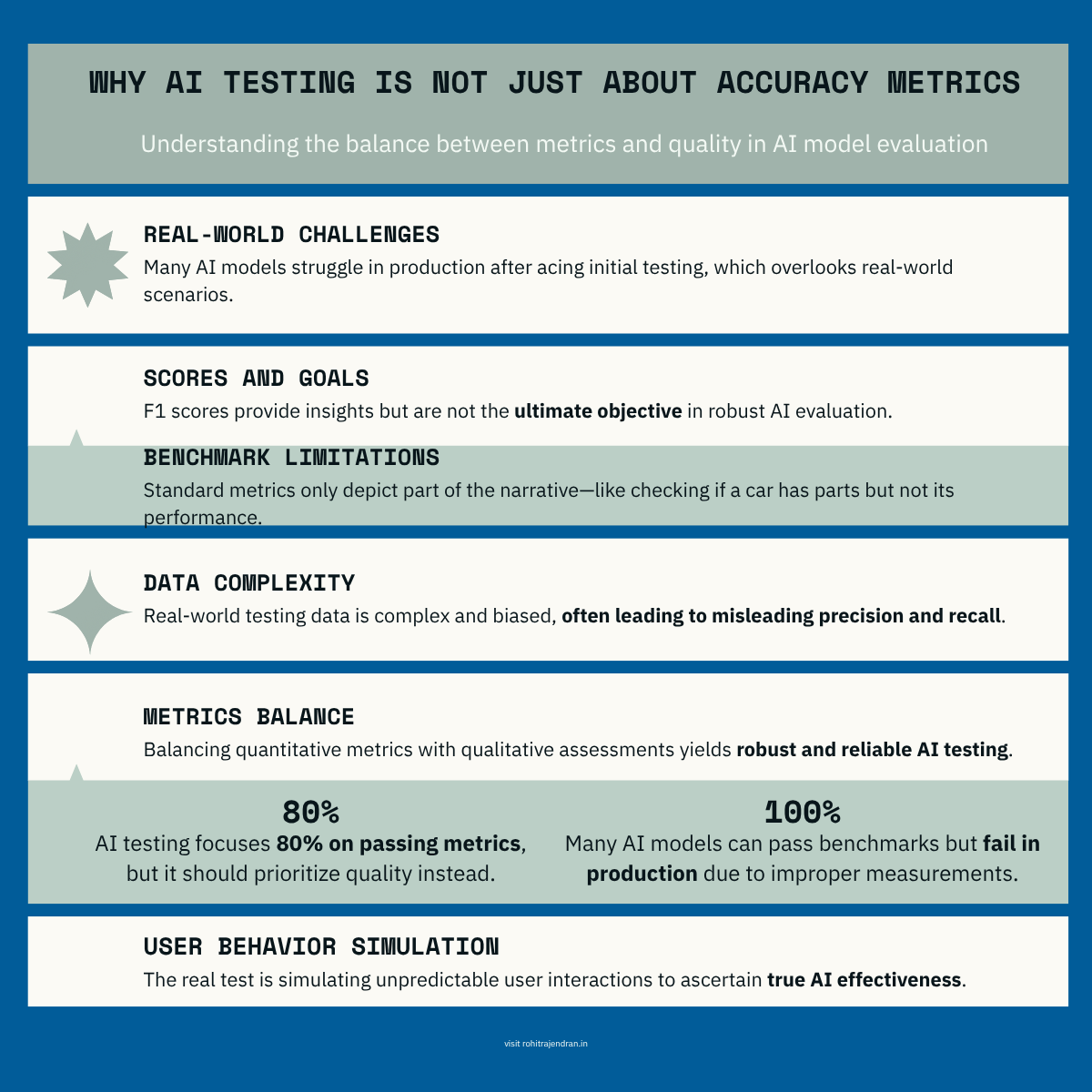
Why AI Testing is Not Just About Accuracy Metrics!
Why AI models can ace benchmarks yet fail in production, and how balancing standard metrics with qualitative human evaluation creates a more robust testing approach.
Read →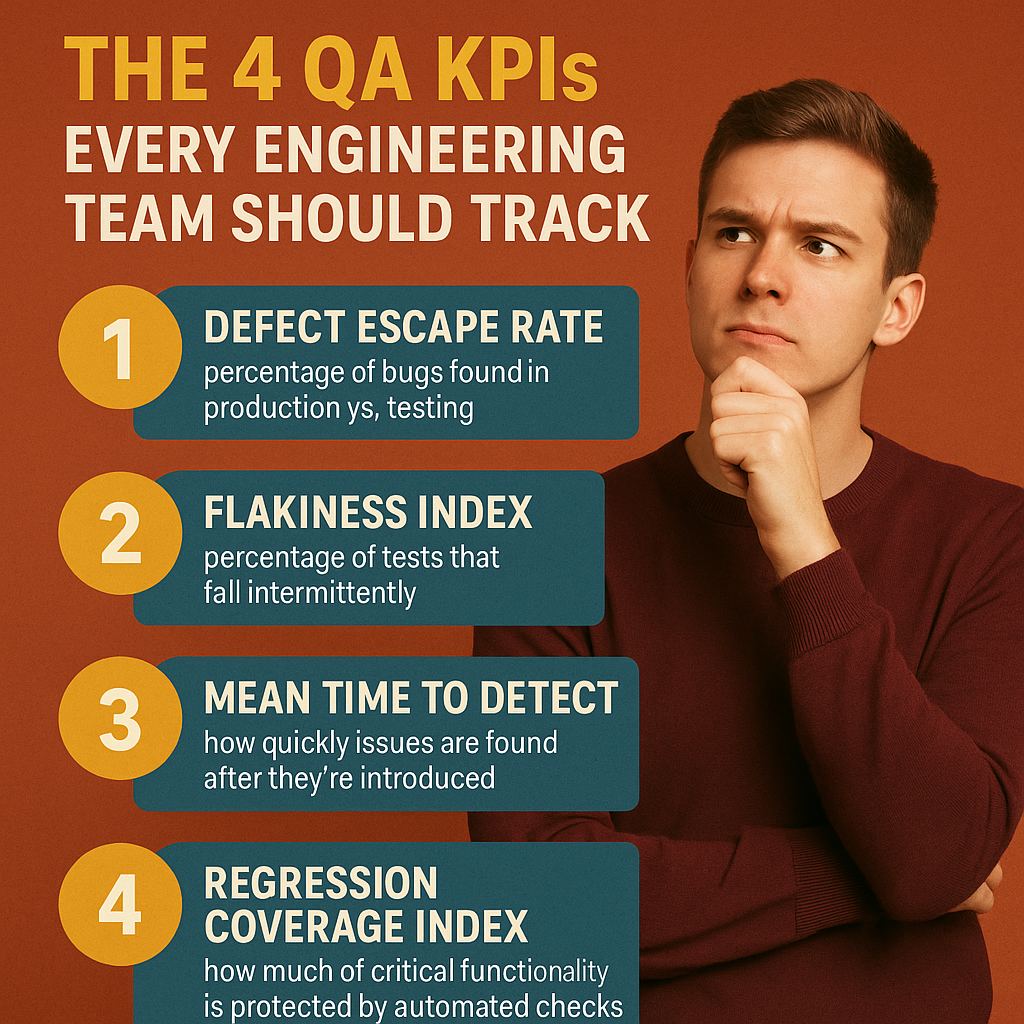
The 4 QA KPIs Every Engineering Team Should Track
Four KPIs that actually move the needle: defect escape rate, flakiness index, mean time to detect, and regression coverage index — not raw test counts.
Read →
TagUI vs Playwright: Automating UI Tests at Scale
Parallel POCs with TagUI (Omni Parser) and Playwright with Python, and the hybrid approach that used each tool for what it does best.
Read →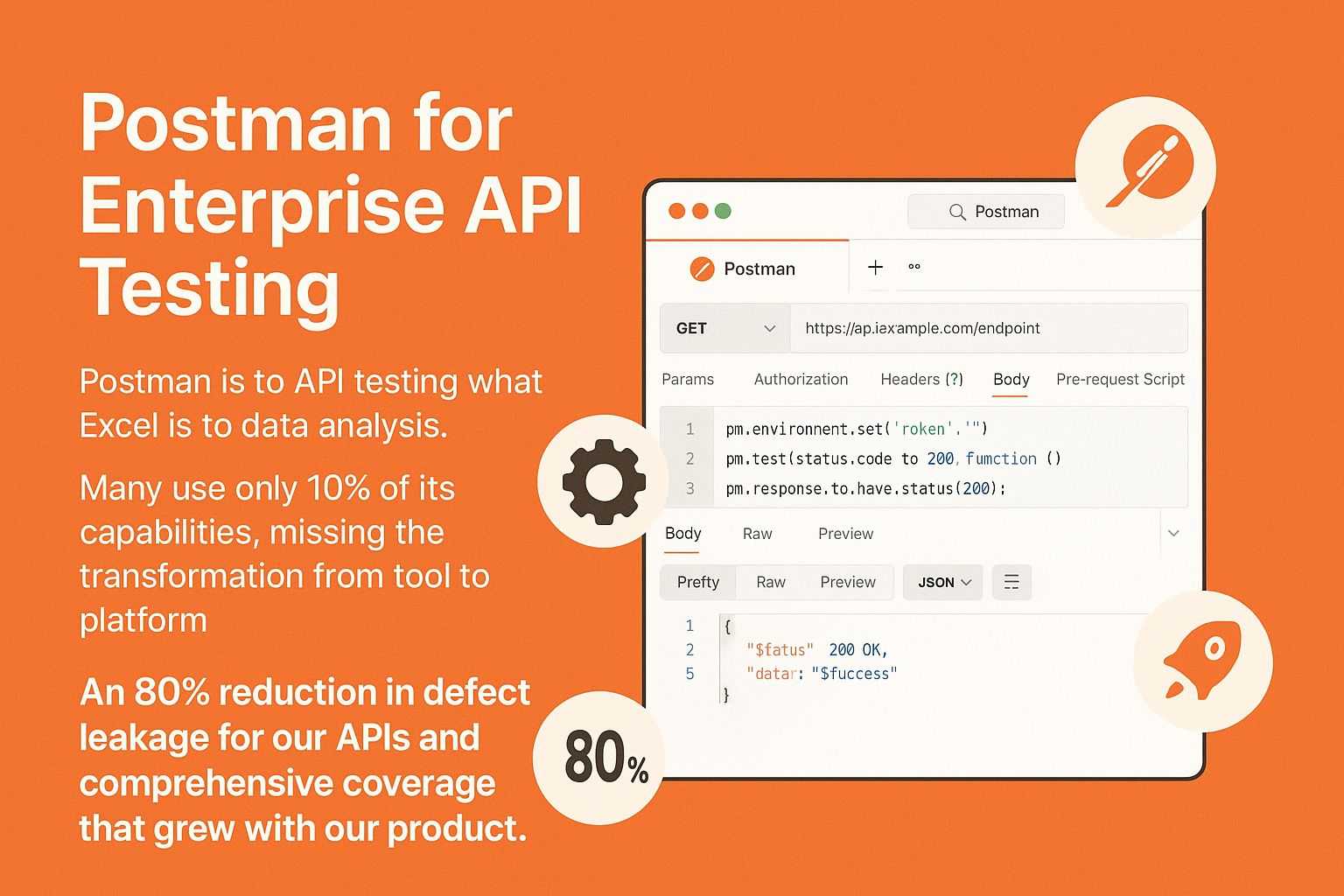
Postman for Enterprise API Testing 🪄
Postman is a comprehensive enterprise testing platform. Structured collections, environment variables, data-driven tests and CI/CD integration transformed our API quality.
Read →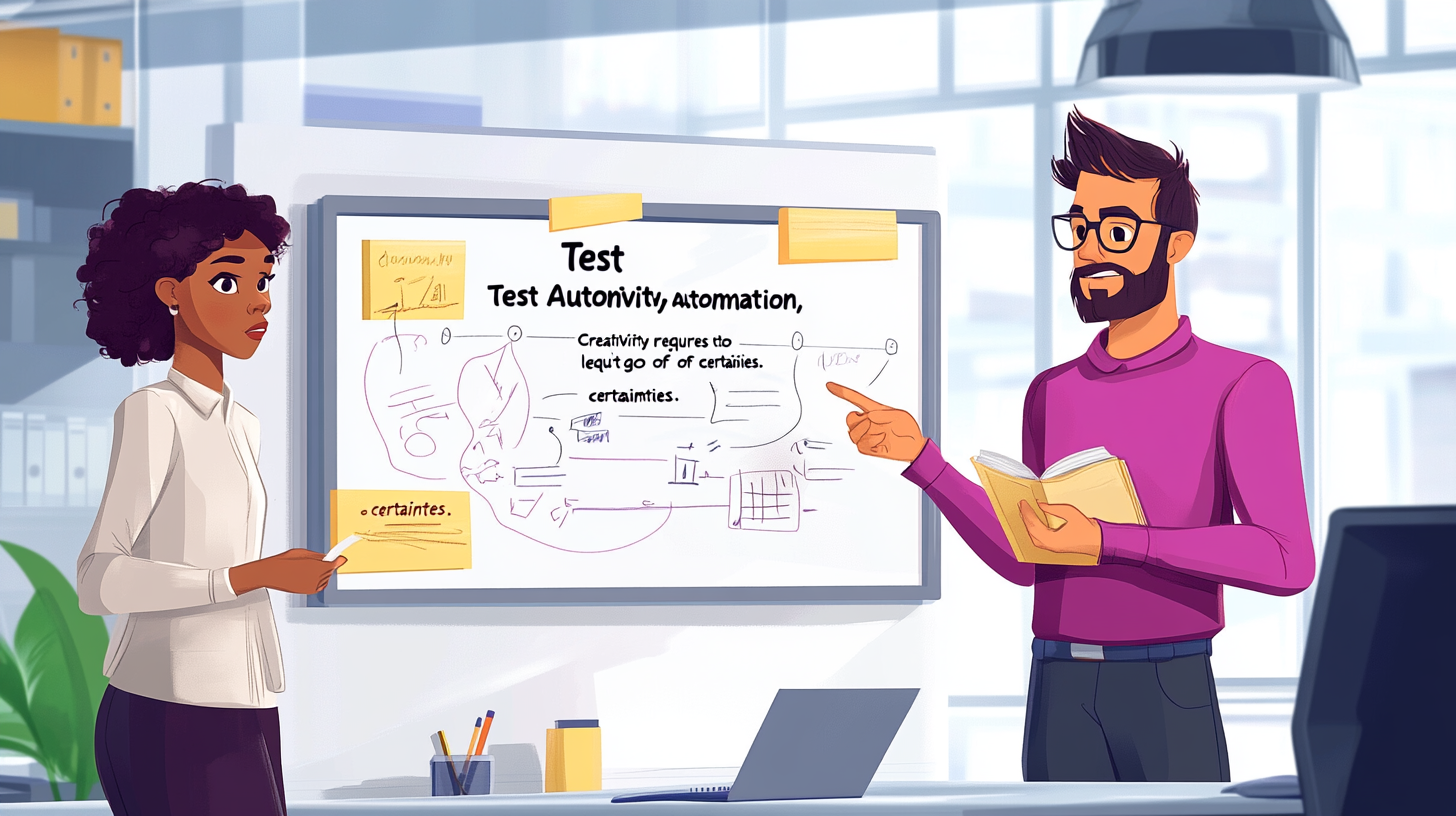
Learning thrives on questions — but are all questions equally helpful? 🤔
The difference between questions that bring genuine clarity and those driven by a need for absolute certainty, and why embracing uncertainty fuels growth.
Read →Learning from Every Role
Career growth isn't always about climbing upward. Sometimes it's about absorbing diverse experiences across roles that build a unique perspective on quality.
Read →
Designing Modular & Reusable QA Architectures
Great test architecture is like a LEGO set: simple blocks that combine into something complex, yet easy to reconfigure. Modularity cut implementation time by 60%.
Read →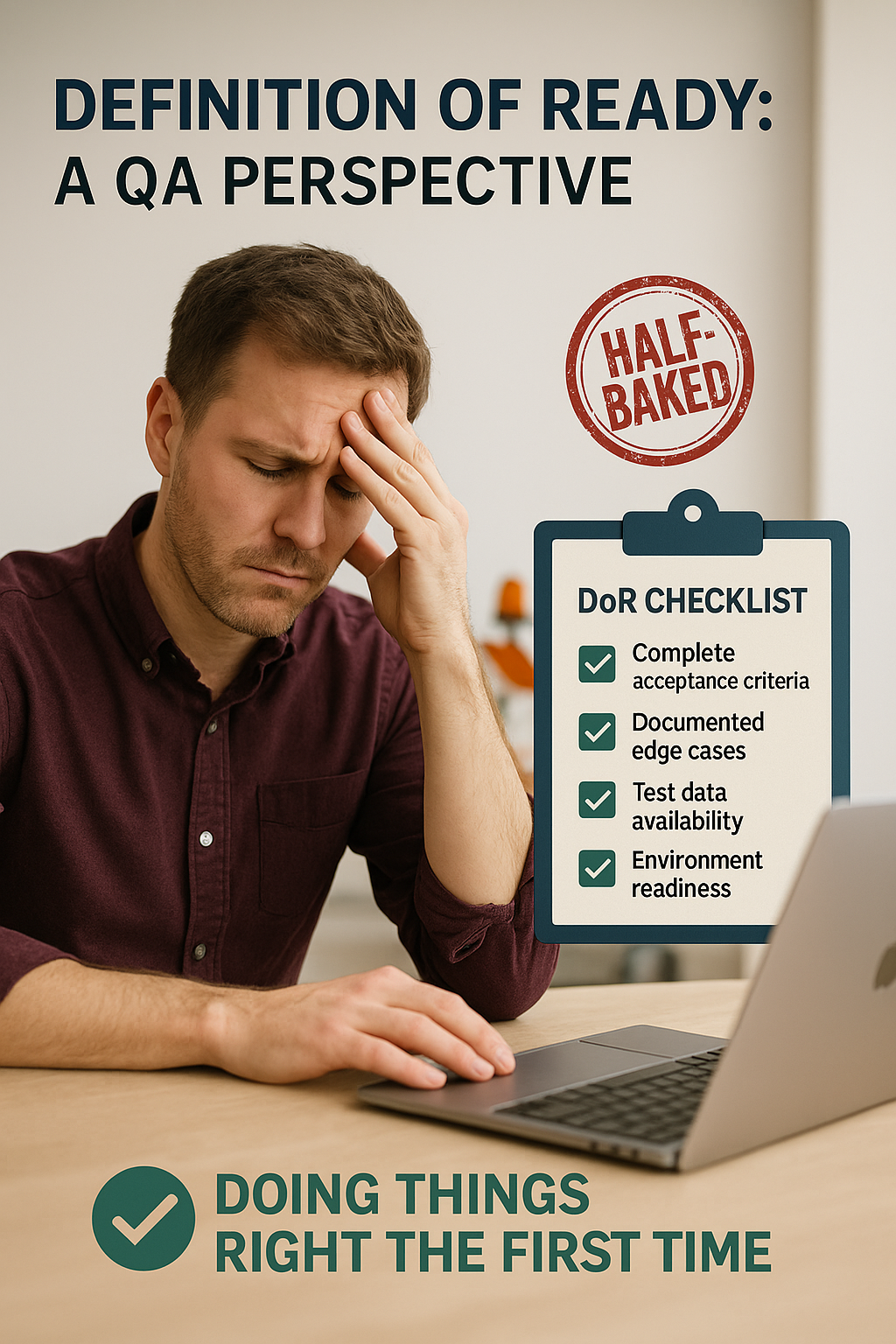
Definition of Ready: A QA Perspective
Establishing a robust Definition of Ready from a quality perspective cut blockers by 70%, halved rework cycles, and turned dev-QA from adversarial to collaborative.
Read →